
ACRISS is committed to supporting its members and associates in achieving their sustainability and environmental objectives by developing and enhancing standards, guidelines, and industry best practices focused on decarbonisation and electrification.
Through its expertise in industry standards and mobility solutions, ACRISS is uniquely positioned to support and influence the transition towards a greener, lower-carbon future. The association works closely with industry experts and partners to ensure the mobility sector has the tools, data, and information needed to help customers make informed and environmentally responsible choices.
Supporting the Transition to Electrification
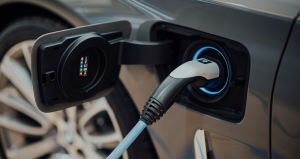
ACRISS actively monitors industry developments and continues to evolve standards that support electrification and decarbonisation initiatives aligned with global net zero and climate targets.
The association recognises that the transition from combustion engines to electric mobility — across vehicle manufacturing, rental fleets, shared mobility, and micro-mobility solutions — is a critical part of the future of transportation.
With governments worldwide introducing regulations and targets aimed at reducing carbon emissions, many regions are moving towards predominantly electric new vehicle sales between 2030 and 2050. These developments are already having a significant impact on mobility providers and rental fleets, with electric vehicles now representing more than 20% of vehicle models within the ACRISS Car Classification System — a figure that continues to grow.
Environmental Standards & CO₂ Data
To support both the industry and consumers, ACRISS has introduced and expanded environmental data across its classification systems, including:
- CO₂ emissions data by vehicle model
- Updated CO₂ emissions guidelines by rental category CO2 emissions guidelines
- Environmental coding standards to support greener vehicle choices
- Battery range information for electric vehicles
- Identification of EV-related equipment and charging support features
These initiatives help provide greater transparency and enable customers to make more environmentally conscious booking decisions.
ACRISS CO₂ Efficiency Coding System
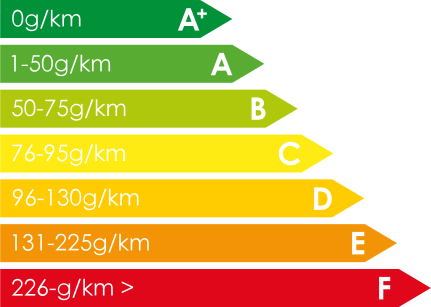
ACRISS introduced its new CO2 Efficiency Coding traffic light system , designed to provide a clear visual representation of vehicle tailpipe and exhaust emissions.
Using a familiar traffic light approach similar to appliance energy ratings, the system helps customers and travel professionals quickly identify the relative environmental efficiency of vehicle categories and supports the sustainability goals of ACRISS members and partners.
EV & Hybrid Vehicle Standards
The ACRISS Car Classification System and vehicle coding structure have been updated extensively to reflect the industry’s transition towards electrified mobility. This includes:
- Enhanced Electric Vehicle (EV) and Hybrid coding
- Introduction of a Fuel Type Guide with clear definitions and terminology
- Expanded classification data to support emerging mobility trends
- Additional EV-specific information and operational guidance
Ongoing Commitment
ACRISS remains committed to supporting its members and associates through continued investment in sustainability-focused standards, environmental initiatives, and industry collaboration.
As the mobility sector continues to evolve, ACRISS will continue developing solutions that support transparency, innovation, and a more sustainable future for mobility services worldwide.
For more information on our current environmental initiatives, please see: